Embedded AI & assistive technologyFinal year project · 2026
Two-way sign-language device
A Raspberry Pi 5 prototype connecting sign recognition, speech, and a touchscreen in one portable device.
My contribution
Final-year project: software development, embedded integration, enclosure design, and system evaluation.
The project
THE PROBLEM Communication between deaf and hearing people needs support in both directions. I developed an embedded prototype combining sign-to-voice and voice-to-sign workflows.
THE APPROACH MediaPipe Holistic extracts 258 pose and hand features. An LSTM classifies sequences into six trained signs. Confidence thresholds, voting, stability checks, and cooldown filtering reduce flickering predictions. Recognized words appear on screen and are spoken through text-to-speech.
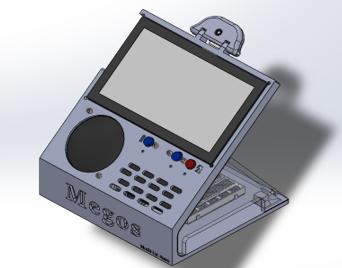
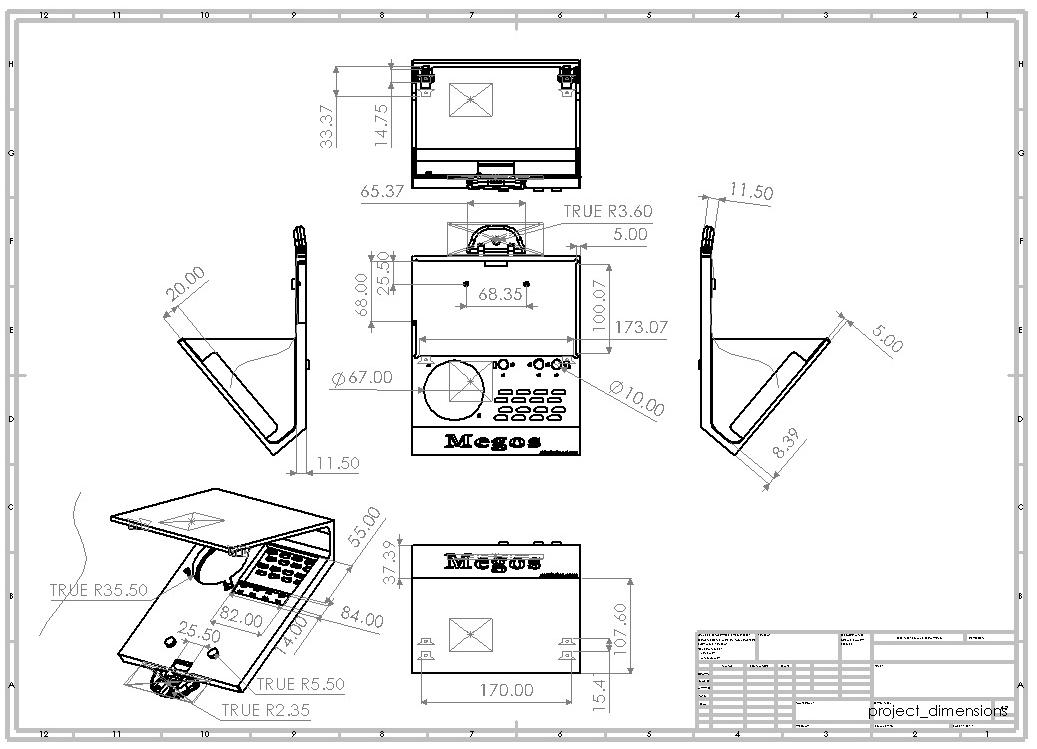
In the opposite direction, speech is converted to text and mapped to a library of 145 sign videos, with letter-by-letter spelling for unmatched words. A CustomTkinter touchscreen interface, GPIO buttons, status LEDs, camera, microphone, and speaker bring both modes together on Raspberry Pi 5. The enclosure was designed in SolidWorks for 3D printing.
TESTING & LIMITATIONS Integrated and evaluated the hardware and both translation modes. Recognition testing used six signs recorded by a single user in controlled conditions. This demonstrates a prototype, not general-purpose sign-language translation; broader vocabulary, multi-user evaluation, and real-world usability testing remain future work.
Outcome
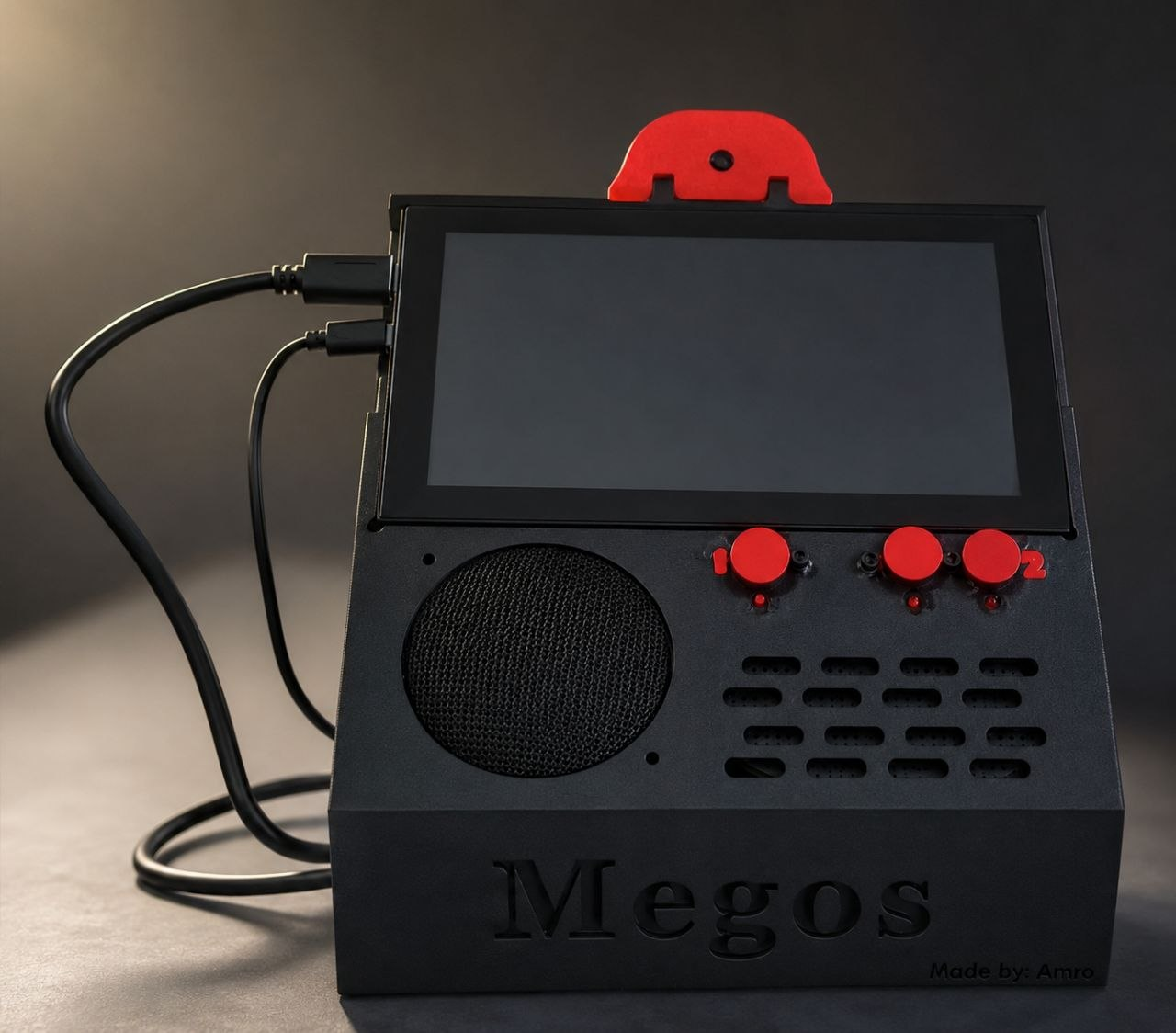
Integrated Raspberry Pi prototype
Project gallery
Open a photo for the full view. Play the videos to see the work in action.